


House Price Growth Is Slowing, but That Does Not Mean Prices Are Falling
If you follow the news about the Dutch housing market, you could easily get the impression that the market is turning. Price growth is slowing, transaction numbers are fluctuating and mortgage interest rates have risen. Does this mean homes are becoming cheaper?
It is not quite that simple.
The latest figures mainly show that house prices are rising at a slower pace. That is not the same as a falling market. Especially in Amsterdam and the surrounding region, it is important to look beyond a single national percentage.
What do the latest housing market figures tell us?
According to the latest figures from Statistics Netherlands and the Dutch Land Registry, existing homes in the Netherlands were, on average, 3.3% more expensive than a year earlier. One month before, the annual increase was 3.9%.
Compared with the previous month, prices decreased by 0.1%. This is a very small movement and does not indicate a general decline in house prices. On an annual basis, homes are still more expensive.
Transaction figures do not show a clear reversal either. In the latest measured month, almost 3% fewer homes were sold than in the same month a year earlier. However, over the first eight months combined, more than 4% more homes were sold.
The right conclusion is therefore not that house prices are falling. Price growth is simply losing momentum.
National figures do not tell the whole story about Amsterdam
The Amsterdam housing market does not always move in line with the national average. There can be significant differences between neighbourhoods, property types and price ranges.
A well-designed apartment on freehold land may still attract considerable interest. A similar home with high service charges, necessary maintenance or a less convincing presentation may take longer to sell.
The latest Amsterdam quarterly figures also showed that the number of homes for sale had increased, while most properties were still sold above the asking price. More supply gives buyers more choice, but it does not automatically turn Amsterdam into a buyer’s market.
This is why a general statement such as “the market is cooling” tells us very little about one particular property. The more relevant questions are:
- How does the asking price compare with recent sales?
- Has the property deliberately been listed at an attractive starting price?
- How many comparable homes are currently for sale?
- What is the condition of the property?
- Are there any important points concerning ground lease, the foundation or the owners’ association?
- How much serious interest is there in this specific home?
What does the higher mortgage interest rate mean for the market?
Mortgage interest rates have increased recently. This does not automatically mean that every buyer can borrow less. The effect depends on factors such as income, the chosen fixed-interest period, the size of the mortgage and the buyer’s personal financial situation.
A higher interest rate can, however, result in higher monthly payments or a lower maximum mortgage. Buyers who need their full borrowing capacity may therefore have slightly less room.
This can change buyer behaviour. Buyers may calculate more carefully, compare more properties and take a little longer before making an offer. At the same time, attractive and realistically priced homes can still face strong competition.
Higher interest rates may slow the market down, but they do not cause house prices to fall overnight.
What does this mean for buyers?
Buyers may have a little more opportunity to compare different properties. It would still be unwise to assume that every home can now be purchased below the asking price.
An offer should not be based on an average overbidding percentage or a national headline. It should reflect the actual market value of the property, recent comparable sales and the competition for that particular home.
It is also sensible to confirm that an earlier mortgage calculation is still up to date. This does not mean that something has necessarily changed. It simply ensures that an offer is based on the buyer’s current financial position.
What does this mean for sellers?
A well-considered pricing strategy is becoming increasingly important. When buyers become more selective, an asking price that is too high can lead to fewer viewings or a longer selling period.
That does not mean sellers should automatically choose a low or cautious asking price. It does mean that the price needs to reflect the property, the neighbourhood, competing listings and current buyer behaviour.
When several offers are received, the highest amount is not the only factor that matters. The financing condition, preferred completion date, other terms and the buyer’s financial preparation all help determine how strong an offer really is.
No reason to panic, but every reason to look carefully
House prices are rising more slowly. That is relevant, but it is not the same as a general fall in prices. In Amsterdam, location, property type, presentation, condition and pricing strategy continue to make a considerable difference.
Buyers may benefit from a little more choice. For sellers, this market requires accurate pricing and a strong presentation. In both cases, decisions should be based on current local information rather than one national average.
Would you like to know what these market developments mean for buying or selling a home in Amsterdam, Amstelveen, Aalsmeer or Hoofddorp? Burgemeester Vastgoed assists both international and local clients with property valuation, bidding strategy, negotiations and the complete buying or selling process.


Is summer 2026 a good time to buy a home in Amsterdam
If you are thinking about buying a home in Amsterdam this summer, you are probably asking yourself one question.
Should I buy now or wait until after the summer holidays?
It is a logical question. Every year there is speculation about the housing market. Some buyers expect prices to fall after the summer. Others hope more homes will become available. In reality, the answer is more nuanced.
At Burgemeester Vastgoed, we follow the Amsterdam housing market every day. Based on what we are seeing in June 2026, there are opportunities for prepared buyers, but waiting is not always the advantage people expect.
Why Summer Can Be a Good Time to Buy
Contrary to popular belief, the housing market does not stop during the summer months.
Many families prefer to move before the new school year starts. Expats often relocate during the summer because international companies schedule transfers around this period. Sellers who list their homes now are usually motivated to complete their sale before autumn.
This creates an active market with buyers and sellers who are ready to make decisions. Competition Is Still Strong, But More Balanced.
Amsterdam remains a competitive housing market.
Well-presented homes in popular neighbourhoods still attract multiple interested buyers. However, compared to previous years, buyers are seeing a slightly more balanced market. Homes that are priced realistically continue to sell quickly. Properties that are overpriced or need significant renovation often stay on the market longer. This gives buyers more room to negotiate than they had a few years ago.
More Choice Than Many Buyers Expect
One noticeable trend in 2026 is the increase in former rental properties coming onto the market.
Changes in legislation and taxation have encouraged some investors to sell their apartments instead of renting them out. For buyers, this means more choice, especially in apartment buildings throughout Amsterdam. These homes deserve careful attention. Some have been well maintained, while others may require renovation or have active tenants, homeowners' association issues or deferred maintenance.
An experienced buying agent can help identify these differences before you commit.
Mortgage Interest Rates Remain an Important Factor
While mortgage interest rates remain higher than the exceptionally low levels seen a few years ago, they have stabilised.
Many buyers have adjusted their expectations and are choosing to buy when they find the right home instead of trying to predict future interest rates.
The right property often has a greater impact on your long-term financial position than waiting for a small change in mortgage rates.
Should You Wait Until September?
Many buyers believe that more homes become available after the summer holidays. While new properties do enter the market in September, so do many new buyers. This often means increased competition.
Waiting does not automatically mean better opportunities. In some cases, it simply means competing against a larger group of buyers. Preparation Makes the Difference The buyers who succeed in Amsterdam are rarely the ones who act the fastest. They are the ones who prepare properly.
Before scheduling viewings, make sure you:
• understand your maximum budget
• have spoken to a mortgage adviser
• know your preferred neighbourhoods
• understand additional buying costs
• are ready to make informed decisions
Preparation allows you to act confidently when the right property becomes available.
Our View
There is no perfect moment to buy a home in Amsterdam.
There is only the right moment for your personal situation.
If you are financially prepared and find a property that matches your wishes, summer 2026 offers genuine opportunities. Buyers who wait solely because they expect prices to fall or more homes to become available may find themselves facing the same market, but with more competition.
At Burgemeester Vastgoed, we help buyers make informed decisions based on facts, local market knowledge and years of experience in Amsterdam.
Thinking about buying a home this summer?
We would be happy to discuss your plans and help you determine whether now is the right time for you to buy.
FAQ
Is summer a good time to buy a home in Amsterdam?
Yes. Summer is often an active period with motivated buyers and sellers. While competition remains, there can also be more opportunities to negotiate on homes that have been on the market longer.
Do house prices usually fall after the summer?
Not necessarily. The Amsterdam housing market is driven by supply and demand. September often brings more buyers as well as more homes.
Should I wait for lower mortgage interest rates?
Trying to time interest rates is difficult. Finding the right home that fits your budget is usually more important than waiting for a small change in rates.
How can a buying agent help during the summer market?
A buying agent helps you assess properties, negotiate the purchase price, identify risks and move quickly when the right home becomes available.

Barry Burgemeester Your Real Estate Agent In Amsterdam
Reasons to choose Burgemeester Vastgoed
In Amsterdam, there are more real estate agents than cafes selling latte with soya milk. Indeed in Amsterdam, if you were to throw a rock into a crowd you’d hit at least 10 real estate agents. So as an expat, how should you go about choosing an estate agent?
1. Does the Real Estate Agent work in English?
Everyone in Amsterdam speaks English, right? Nee hoor! There’s a big difference between a real estate agent who speaks English and one whose entire processes and procedures and terms and conditions are written and executed using the English language. For the past 26 years, I’ve worked with expats. As a Dutchman, I can say that while I’m unable to recite Shakespearean sonnets or discuss philosophy in English, what I am able to do is to explain every possible thing that you need to know about the property market in Amsterdam in a way that’s possible to understand for people from all over the world.
2. Understandable terms and conditions with no cancellation fee
Our terms and conditions are written in plain English. You don’t need to be a Harvard Law School graduate to understand our paperwork. In fact, everything is covered on a single page. If, after signing the agreement and while working together you decide for whatever reason to work with someone else, we also don’t charge an agreement termination fee. We believe that transparency is important and will make sure that you fully understand the services on offer before you sign on the dotted line.
3. In-depth knowledge of the property market and the needs of expats
After 26 years of working in Amsterdam helping expats buy properties, I can tell you that knowing the market itself isn’t enough. One of the real advantages of working with me is that having worked with so many expats over the years, I understand some of the unique circumstances that they often face when choosing a property.
4. Flexible working hours
Many real estate agents in Amsterdam are only available during normal office hours. At Burgermeester Vastgoed we understand that expats often work long hours and require flexibility when it comes to the times they are available for meetings and viewings. We do our best to accommodate the needs of our clients and attempt to meet at times that are suitable for them.
5. Customer service 100% personal
- 100% personal service
- We’ll always view a property before our client makes a bid. Even if we’re unable to make the viewing appointment, we’ll make time to see the property before you make a bid
- No cure no pay
- We will always recommend that you make sensible bids. If you overbid the bank might refuse.
- Since 2025 we also assist you if you want to sell your place again.
FAQ
Why is an English speaking agent important?
Because understanding contracts and strategy is essential, not just basic communication.
Do I need a buying agent in Amsterdam?
Yes, the market moves fast and requires experience and strategy.
What makes Burgemeester Vastgoed different?
Clear communication, full service, no unnecessary risks and deep market knowledge.
Buying a house in Amsterdam, Amstelveen, Aalsmeer, Hoofddorp or surrounding areas?
Burgemeester Vastgoed provides full guidance, clear communication and a strategy focused on results.
Contact
www.burgemeestervastgoed.nl
info@burgemeestervastgoed.nl
+31 20 616 9399

What Does a Buying Agent Actually Do?
Buying a home in Amsterdam is complex, fast and competitive. Properties sell quickly, bidding is common and legal details can be difficult to understand, especially for expats.
A buying agent in Amsterdam represents you as the buyer. The role is to guide you through the entire process, protect your interests and help you make the right decisions from start to finish.
What a buying agent does in practice
A buying agent supports you from the first search to the final transfer at the notary. Each step requires a different type of expertise, especially in a market like Amsterdam.
Finding the right property in Amsterdam
Most properties are listed online quickly. Access to listings is not the advantage. Timing and recognition of opportunity are.
An experienced buying agent understands the market, knows when a property returns to the market and recognises which homes are worth acting on immediately.
This allows you to move faster and more strategically when the right property appears.
Researching the property before you buy
Buying a home in Amsterdam requires more than a viewing. Many important details are not immediately visible.
A buying agent reviews documents and background information to give you a complete picture of the property.
This includes understanding ownership structures, maintenance levels, legal permissions and ongoing costs. The goal is to avoid surprises after the purchase.
Determining the right value and strategy
Market data is widely available, but it does not tell the full story.
The real value of a property depends on location, condition, building quality and current demand. These factors change constantly and differ per street.
A buying agent combines data with daily market experience to determine a realistic value and the right bidding strategy.
This prevents overpaying and increases your chances of success.
Negotiating the purchase
Negotiation in Amsterdam is not only about price. Conditions are just as important.
A strong offer includes the right balance between price, certainty and flexibility. Sellers look at the total package.
A buying agent structures the offer and negotiates directly with the selling agent to position you as a strong and reliable buyer.
Checking legal and technical details
After your offer is accepted, the process becomes more technical.
Contracts, legal documents and agreements need to be reviewed carefully. Everything is in Dutch and mistakes can be costly.
A buying agent ensures that all documents are correct, explains the details clearly and coordinates with the notary and mortgage advisor.
Final inspection and transfer
Before the transfer, the property is inspected to confirm that everything is as agreed.
A buying agent joins this inspection and record meter readings + checks for any issues. After that, the final step takes place at the notary where the ownership is transferred.
Support after the purchase
A buying agent remains available for questions and support after the purchase is completed.
Why a buying agent matters in Amsterdam
The Amsterdam housing market requires speed, knowledge and structure.
Without guidance, buyers often: make decisions too late,
misjudge property value and do not fully understand legal details.
A buying agent reduces these risks and improves your position in a competitive market.
FAQ
What does a buying agent do in Amsterdam?
A buying agent guides you through the full purchase process, including search, evaluation, bidding, negotiation and legal completion.
Do you need a buying agent in Amsterdam?
It is not required, but it significantly improves your chances of buying successfully in a competitive market.
Is a buying agent useful for expats?
Yes, especially for expats who are not familiar with the Dutch housing system and legal process.
What is the advantage of using a buying agent?
Better strategy, fewer mistakes and a higher chance of securing the right property.
Looking to buy a house in Amsterdam, Amstelveen, Hoofddorp, Aalsmeer or surrounding area’s?
Burgemeester Vastgoed provides full guidance, strategy and access to the market. Clear process, strong network and no unnecessary risk.
Contact
www.burgemeestervastgoed.nl
info@burgemeestervastgoed.nl

You Bought a Home – Now What? Essential Steps After Moving In
Buying a home is an exciting milestone, but the process doesn’t end when you receive the keys. The aftermath of homebuying comes with important steps to secure your property, update your information, and make your new house truly feel like home. Here’s what you should do after moving in:
1. Change the Locks
You never know how many copies of your keys are floating around. To ensure security, replace all exterior locks or rekey them as soon as possible. This simple step gives you peace of mind that only you have access to your home.
2. Record Meter Readings
On the day of transfer, we visit the home before going to the notary for an inspection. This is to see if the house is in the exact state it was when you bought it. Here, we also record the meter readings. This serves as a starting point for you when choosing the provider you like. Ensuring accurate readings prevents any disputes with previous owners or utility providers.
3. Update Your Address
Notify the necessary parties of your new address. This includes:
- The municipality (within 5 days) – Amsterdam | Amstelveen
- Parking Permit
- Banks and insurance companies
- The tax authorities | Belastingdienst
- Your employer
- Subscriptions and memberships
- Friends and family
4. Arrange Home Insurance
If you haven’t already, get home insurance that covers potential damages and liabilities. Many mortgage lenders require this, but it’s also a crucial safeguard for your new investment. It is also wise to insure your belongings. This is called an Inboedelverzekering in Dutch. The insurance for the house itself is called Opstalverzekering. Additionally, consider taking out a liability insurance to cover potential damages to third parties. If you are in need of a good insurance agent, contact us.
5. Check (or Set Up) Internet and Utilities
Ensure your electricity, gas, and water are properly set up and registered in your name. If your internet isn’t installed yet, schedule an appointment with a provider as soon as possible to avoid delays.
6. Get to Know Your Home
Locate essential features such as:
- The main water shut-off valve
- The fuse box
- The heating system controls
- Smoke and carbon monoxide detectors (replace batteries if needed)
8. Introduce Yourself to the Neighbors
A friendly introduction can go a long way in building a good relationship with your neighbors. They might also offer helpful local insights about your new area.
9. Make Copies of Important Documents
Store copies of your home purchase agreement, mortgage documents, insurance papers, and utility contracts in a safe place. Consider keeping digital backups for added security.
10. Plan for Maintenance
Routine maintenance helps preserve your home’s value. Schedule tasks like gutter cleaning, HVAC servicing, and checking for seasonal wear and tear.
Conclusion
Buying a home is just the beginning—securing and settling into your new space requires attention to detail. By handling these essential post-move tasks, you can fully enjoy your home with peace of mind.
Formally, our job stops after handing over the key, but we are always here to help you on your way. If you have any questions or need some guidance, feel free to contact us.

Mark and Cristina’s Journey: From Expats to Dutch Locals
From Expats to Nederlanders
In the world of real estate, it's not just about buying and selling houses. It's about building relationships and watching our clients' stories unfold. Mark and Cristina are a perfect example. We've helped them find their home three times, and their journey is a wonderful story of becoming part of the Dutch community.
Mark and Cristina started their journey in 2016 with their first home, a double upstairs place in Amsterdam West. As their family grew, they needed more space. In 2019, they moved to a bigger house, still in Amsterdam West. Just last week, they found their dream family home in Amstelveen.
We've seen Mark and Cristina grow, not just in their homes but in their lives too. They now have two beautiful children. We’re so proud they chose us to help them each step of the way.
The Changing Role of Expats
An "expat" is a person who lives outside their home country, often for work, usually planning to go back someday. But in the Netherlands, many expats have decided to stay. They build their lives here, make friends, and their kids grow up with Dutch kids in local schools. Some even become Dutch citizens, loving the relaxed lifestyle and good work-life balance.
The expat community is now a big part of Dutch society. Many expats feel so at home here that calling them expats doesn’t fit anymore. They are Nederlanders, fully part of the Dutch culture and economy.
Celebrating Mark and Cristina’s Story
Mark and Cristina’s story shows this change. From expats to being part of the local community, their journey is one of growth and new beginnings. Stories like theirs show that living in the Netherlands makes it special – a place where people from around the world can find a home and become part of the community.
As real estate agents, we love being part of these stories. We’re excited to help more families like Mark and Cristina find their perfect home and become part of the Dutch way of life. Contact us via info@burgemeestervastgoed.nl or fill in the contact form and we will get back to you ASAP!

Discovering the Charm of Amsterdam's Canal Homes: A Real Estate Perspective
As a real estate agent in Amsterdam, I’ve had the privilege of exploring some of the most enchanting properties this city has to offer. Among these, canal homes stand out as true gems, combining history, charm, and modern living in a way that is uniquely Amsterdam. Let’s dive into the allure of Amsterdam’s canal homes and why they make an exceptional choice for buyers seeking something special.
A Glimpse into History
Amsterdam’s canal homes date back to the 17th century, during the Dutch Golden Age. The famous canal ring, known as the Grachtengordel, was created to accommodate the city’s growing population and thriving trade. These canals were both practical and beautiful, forming a stunning urban landscape that remains largely unchanged today. Canal homes were originally built for wealthy merchants and traders. Their tall, narrow fronts were designed to avoid high taxes based on the width of the property. Despite their narrow appearance, canal homes are often surprisingly spacious inside, extending deep into the block.
Architectural Beauty
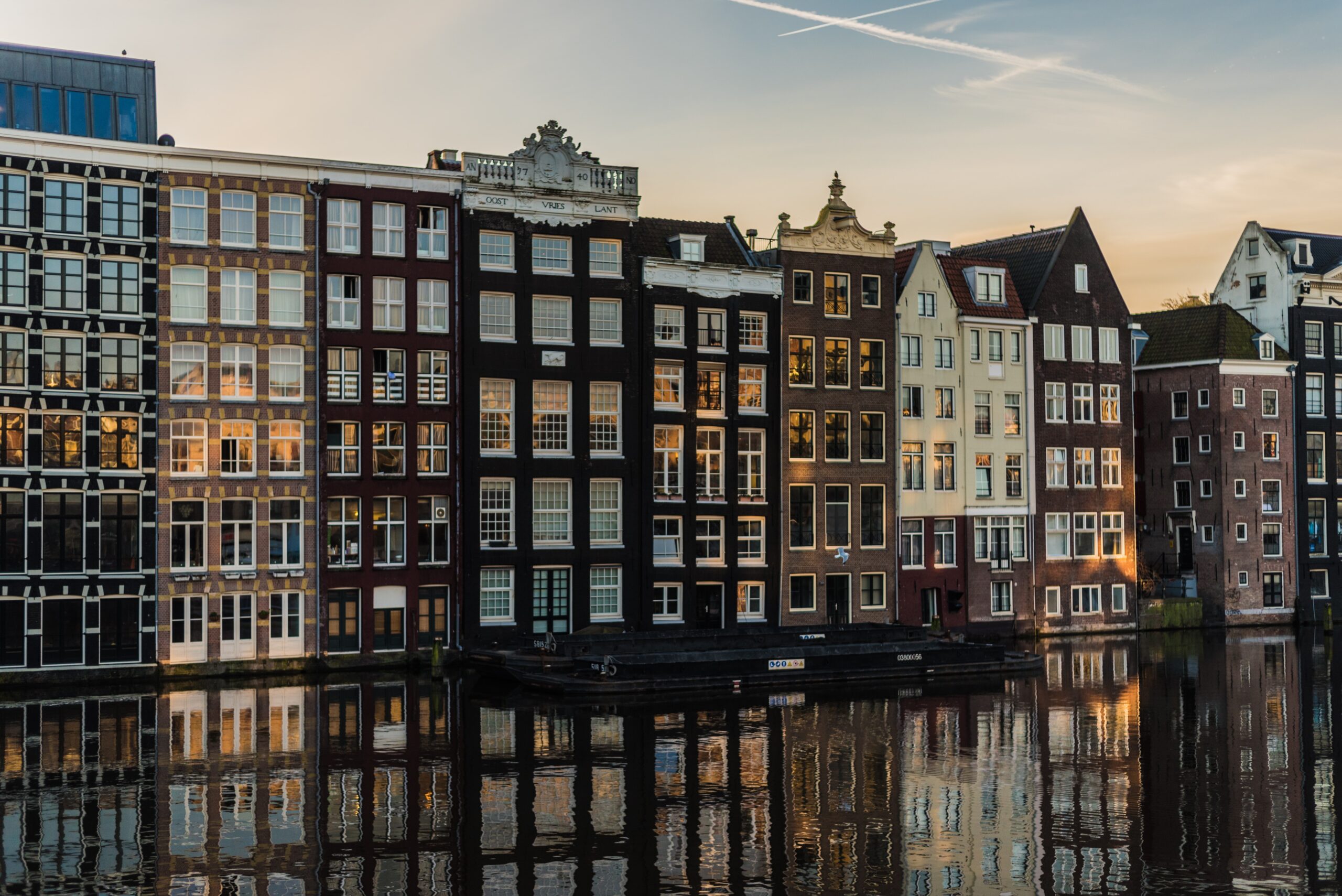
One of the most captivating aspects of Amsterdam’s canal homes is their architectural beauty. Each house has its own unique character, often featuring ornate gables, large windows, and intricate details. The common styles include stepped gables, bell gables, and neck gables, adding to the city’s picturesque skyline. Inside, these homes often feature high ceilings, exposed wooden beams, and large windows that let in plenty of natural light. Many canal homes have been meticulously preserved and restored, offering a perfect blend of historic charm and modern amenities.
The Allure of Canal Living
Living in a canal home offers a lifestyle that is both peaceful and vibrant. The tranquil canals provide a serene backdrop, while the bustling streets and rich culture of Amsterdam are just a step away. Residents can enjoy the best of both worlds – the calm of canal-side living and the excitement of city life. Imagine waking up to the gentle sound of water lapping against the canal walls, sipping your morning coffee while watching boats glide by, and taking leisurely walks along tree-lined canals. For many, this is the epitome of a dream lifestyle.
Practical Benefits
Beyond their beauty and history, canal homes offer several practical benefits. Their central location means easy access to Amsterdam’s top attractions, shops, restaurants, and cultural venues. Many canal homes also come with private gardens or terraces, providing rare green spaces in the heart of the city. Additionally, these homes are built to last. Their thick walls and solid foundations offer durability and comfort. Modern renovations often include state-of-the-art insulation and heating systems, combining old-world charm with modern convenience.
Investing in a Canal Home
For those considering real estate investment, Amsterdam’s canal homes are an excellent choice. Their historical significance and unique charm make them highly desirable properties. Limited supply and high demand ensure these homes maintain their value and often appreciate over time. Amsterdam’s commitment to preserving its historic buildings means that investing in a canal home is not only financially rewarding but also contributes to the city’s cultural heritage.
Conclusion
Amsterdam’s canal homes are more than just residences; they are a testament to the city’s rich history and enduring charm. Whether you’re drawn to their architectural beauty, the allure of canal-side living, or the practical benefits they offer, owning a canal home in Amsterdam is a unique and rewarding experience. If you’re looking to immerse yourself in the magic of this historic city, there’s no better way than by making a canal home your own.
Contact me today to explore the possibilities and find your dream canal home in Amsterdam.

Why You Need an Expert Agent to Buy an Amsterdam Home
Wondering what makes Barry the top buying agent in Amsterdam? Beyond his friendly, personable service, excellent reputation, and unique service level, Barry's deep market knowledge and years of experience make him the ideal guide for any expat searching for their dream home.
Navigating the housing market in the Netherlands is challenging, especially in the Amsterdam region, where only about 30% of people own homes. This low ownership rate creates a high demand with limited supply. If you're moving from abroad, Barry can help make your transition smooth and hassle-free, ensuring you find the perfect property for your new life in the Netherlands.
Here are some of Barry's most frequently asked questions from first-time buyers to give you an insight into how his service works.
1. I have never bought property before. Where do I start?
First, determine your budget by assessing your savings and mortgage eligibility. The very first step is to find out how much you can borrow. The market is highly competitive, so you need to be ready to act quickly. Consulting a mortgage expert is crucial, and we can help with that.
You can borrow up to 100% of the property’s value, but you'll need an additional 4-6% of the property's price to cover taxes, estate agent fees, notary fees, and other expenses. Once you know your numbers, make a list of requirements and start your search online. Keep in mind that properties in the Amsterdam region often sell above the asking price. We'll always be honest with you about whether your expectations align with reality.
2. Why is it important to have an estate agent who understands my requirements?
A good agent understands your needs and explains what is feasible, making the process smooth and successful.
3. What are the benefits of working with an experienced estate agent from an expat perspective?
An experienced agent will guide you through the process, avoid pitfalls, and ensure the deal is completed smoothly. Sellers prefer working with experienced buying agents. The title "makelaar" is not protected, so make sure you team up with someone who has a diploma and knowledge.
4. Cost breakdown: If I spend €600,000 on a property, how much goes to my estate agent as commission, and what is my return on investment in choosing Burgemeester Vastgoed?
Depending on the transfer tax bill (approximately 2%), expect to pay around 5% of the purchase price in total fees. The commission for working with BV is 1.5% ex VAT. BV offers excellent responsiveness and high-quality service, ensuring a knowledgeable and personal approach. If there's a deal to be made, we'll make it happen!
5. If I have a dispute with the seller, how can Burgemeester Vastgoed assist me?
We will support our clients as much as possible. If the issue is beyond our expertise, we will advise you on the necessary steps and connect you with the right organizations to resolve the issue.
6. Negotiations are not my strong point. How does Burgemeester Vastgoed secure the best price for me, and how is this different from other agents?
At BV, we assist our clients from start to finish and negotiate the best deal possible. Our goal is client satisfaction, and we pride ourselves on our unique, personable service.
7. I’m choosing between Burgemeester Vastgoed and a cheaper, less experienced agent. Why should I choose Barry?
Value is key; choosing a cheaper agent often means lower-quality service. We provide a high level of service and charge a consistent percentage to ensure this quality. If you're serious about finding your dream home, we'd love to chat with you. Call or email us now for an appointment, and take the first step toward securing your perfect property.
For more information or to schedule an appointment, contact Barry Burgemeester at info@burgemeestervastgoed.nl today!

Coping with Losing a Home Bid: Tips to Stay Positive
At Burgemeester Vastgoed, we understand the emotional ups and downs of buying a home, especially when you miss out on your dream home. It can feel like the perfect house is always just out of reach. But don’t lose hope!
Buying a home is a major life event, so it's important to take care of yourself. Avoid feeling overwhelmed during the process. We’ve put together five simple tips to help you stay balanced.
Acknowledge your feelings
It's completely normal to feel disappointed or frustrated after losing a bid. Let yourself experience these emotions without judgment. Trying to suppress your feelings can make it harder to move on.
Stay realistic
In today’s competitive market, others may have more financial flexibility. Accept your budget limitations and focus on staying within your means. Listen to your real estate agent's advice and avoid overextending yourself financially.
Focus on what you can control
While missing out on a home can be discouraging, there are still plenty of things you can manage. Reevaluate your goals, budget, and housing preferences. You might even consider exploring different neighborhoods or expanding your search beyond your initial target areas.
Practice self-compassion
Be gentle with yourself during this time. Losing a bid doesn’t reflect your worth or ability to find the right home. Treat yourself with the same kindness you would offer a friend in a similar situation. Take time to unwind with activities that help you relax and recharge.
Maintain perspective
Even if you put in your best effort, external factors like better offers can affect the outcome. Missing out on a home doesn’t mean you did anything wrong. Keep your focus on what you can influence, continue practicing self-care, and keep searching. This positive mindset will help you manage stress and move forward confidently.
We believe that the right home is out there for everyone. While it may take time to find, staying positive and resilient is key, especially with the right real estate agent by your side.
Feel free to reach out to us at info@burgemeestervastgoed.nl to share your home-buying journey and explore how we can work together.